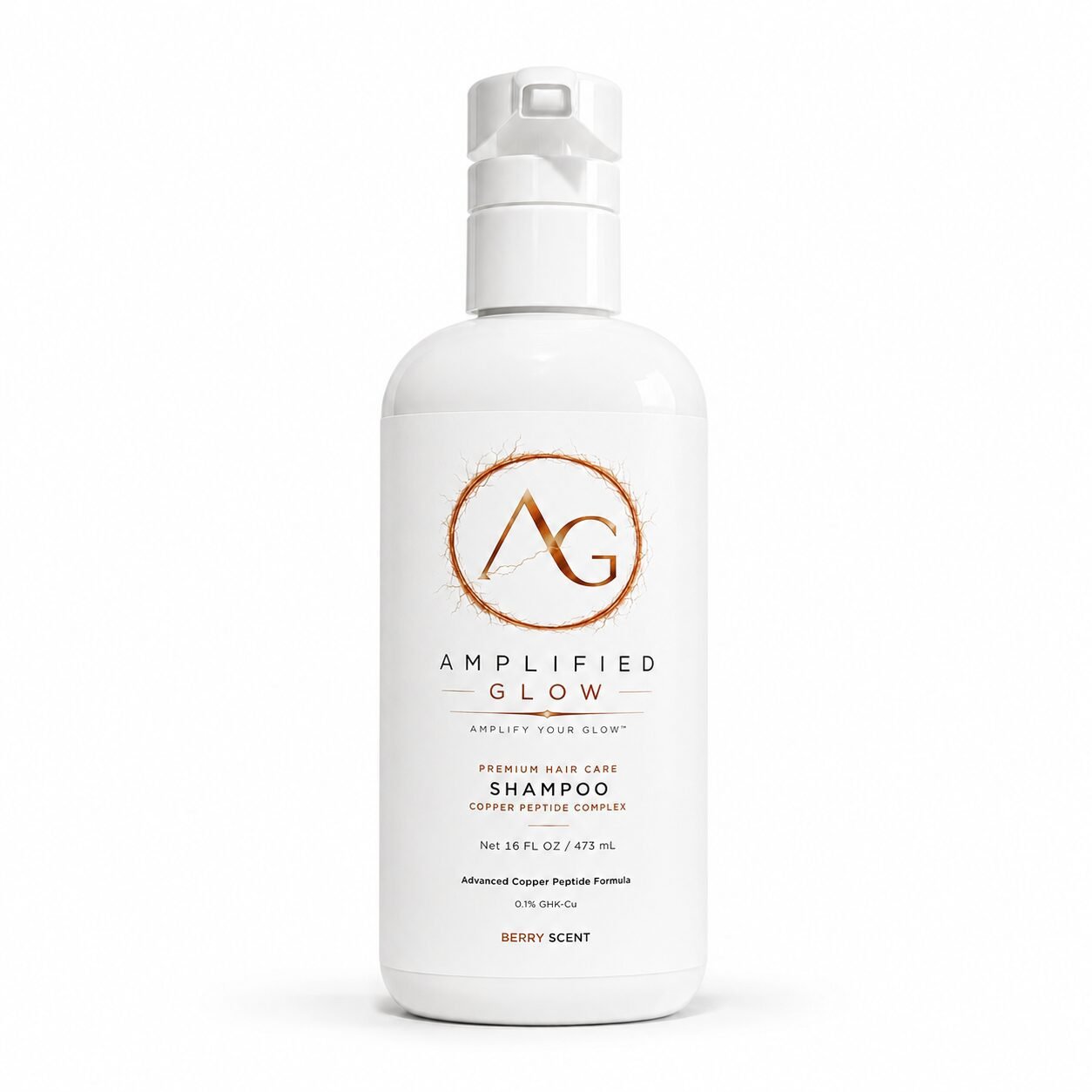

Copper Peptide Strengthening Shampoo – Berry
Berry-scented rinse-off shampoo
Wet your hair, then massage into your scalp and hair to a lather. Rinse. Repeat if desired.
View shampoo detailsDescribe the pattern you see across three areas of your hair. Get a broad result, mixed or unsure included. No email, photo or account needed.
Answer based on how your hair looks now. First, choose how your hair is right now. If you're unsure, “Not sure” is always there. For each area question, you can choose “Not sure / can’t see” or use Skip to mark it as unknown.
This result describes broad shapes in the areas you reported. It doesn’t assign a lettered subtype, measure strand width, density or porosity, or diagnose anything.
Your result is complete without buying anything. If you’d like, you can view two rinse-off products from our haircare range. They aren’t matched to your pattern, and buying them as a pair is optional. If you use both, the conditioner goes on after the shampoo. Check the ingredients and full directions on each product page first.
Got it, we won’t show any products. Your result and the guide below stay right here.
Berry-scented rinse-off shampoo
Wet your hair, then massage into your scalp and hair to a lather. Rinse. Repeat if desired.
View shampoo details
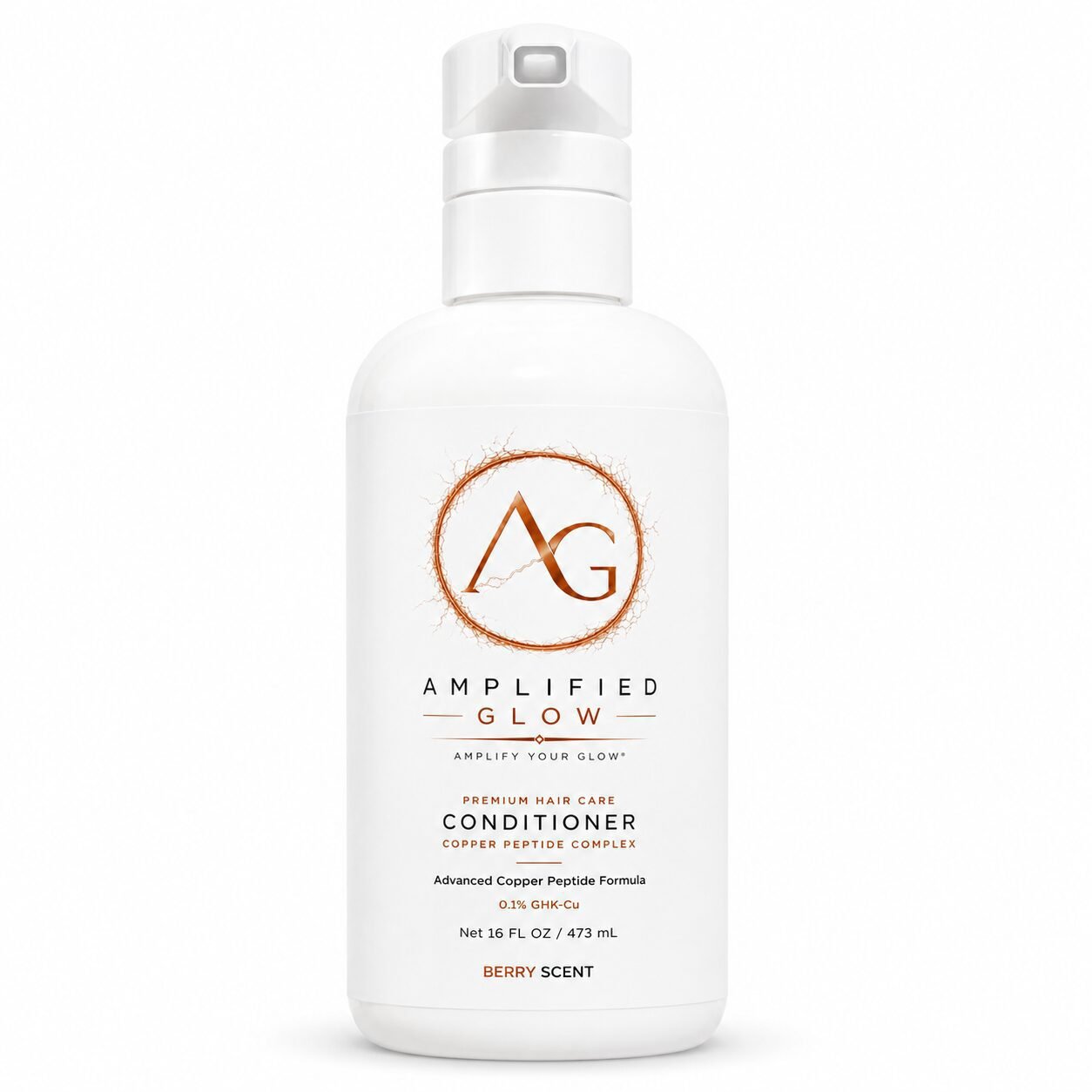
Berry-scented rinse-out conditioner for use after shampoo
After shampooing, apply to clean, wet hair, focusing on mid-lengths and ends. Leave for 2–3 minutes, then rinse.
View conditioner details“Hair type” usually means the shape your hair forms. Most descriptions use four broad patterns: straight, wavy, curly and coily. They’re helpful words, not precise measurements.
No repeated wave or curl. Strands fall without a regular bend.
A visible wave or loose S-shaped bend.
Visible loops or ringlets.
Tight, repeating coils or angular, zigzag bends.
Hair type charts are approximate. Patterns near a boundary can look like either neighbour, and many people see more than one pattern across their head.
Use the way your hair usually looks when dry as a reference, and record what you can see today. Wet hair can look straighter or curlier than it does dry. Skip any extra wash and leave braids, twists or other protective styles in place. Check one area at a time. Heat-styled or set lengths may show a temporary shape, while chemically treated lengths may keep their changed shape. If untreated new growth is visible near the roots, note it separately. It reflects only that area, so don’t use it to judge your whole head.
Mixed results are common. Say the top falls in loose S-waves while the underneath forms ringlets. Record both instead of choosing one. If an area is covered or hard to see, mark it unsure.
Our quiz sorts the broad visible shape across three areas and accepts mixed and unsure answers. It won’t force an exact subtype. Lab work like this study of hair shape measures geometry across hair samples, which a quiz can’t replicate. Next, see how your hair handles water with our hair porosity test.
Check your visible dry pattern one area at a time, and keep mixed or unsure answers.
Your pattern alone doesn’t decide how often to wash or which products to use. Wash when your scalp and hair need it, based on things like oil, buildup and how your hair feels.
Shampoo mainly goes on the scalp. Where you focus conditioner can depend on your hair. Handle hair gently, limit high heat, and follow the directions on each product you use.
There isn’t a sharp line. As broad guides, waves are S-like bends, curls form visible loops or ringlets, and coils are tight repeating coils or angular bends. If an area sits between two, pick the closer description, choose “More than one” or choose “Not sure”. You won’t be forced into an exact category.
Use how your hair usually looks when dry as your comparison. Wet hair can look different, so a wet-only look doesn’t decide your result. You don’t need a special wash, and there’s no need to skip conditioner or detangling first. If you’re unsure, say so. That’s a valid answer.
Yes, and many people do. That’s why the quiz asks about three areas. If they differ, or if you choose “More than one” anywhere, you’ll get a mixed result listing what you reported in each area. We don’t average different patterns into one label.
Yes. Strand width (how fine or thick each strand is) and density (how much hair you have across your scalp) are different things. Fine strands can add up to plenty of hair. Curl pattern doesn’t measure either one, and this quiz doesn’t score them.
No. This quiz reports broad shapes only: straight, wavy, curly, coily, mixed or unsure. It doesn’t assign lettered subtypes or measure strand width. If you already like a subtype label, you’re welcome to keep using it.
Answer based on what you can see now, and tell us the context in the first question. Waves after mousse or gel are still what you see. The quiz just can’t separate styling from your hair’s underlying pattern. For treated hair, the result describes the current look only. If you can’t see your pattern, choose that option. You don’t need to change your style.
No. How often you wash depends on things like oil, buildup and how your hair feels, not on a curl label. Your result doesn’t require any purchase. After your result, you can choose to view two optional wash-day products if you’d like.
This quiz describes the shape you can see. Porosity is a separate property, and your pattern result doesn’t tell you anything about it. If you want to explore porosity, our hair porosity quiz is a separate tool for that question.
We used these references for general pattern descriptions, terminology and care context. They don’t validate this quiz. Its result rules are our own plain-language mapping of your answers. Reviewed 4 November 2026.