Haircare tools
Hair Porosity Test: Notice How Your Hair Handles Water
Eight questions about how your hair wets, takes conditioner and feels between washes, with a gentle plan to try next.
Find your porosity tendency
Answer based on what you usually notice on wash day. There are no wrong answers, and every result comes with a plan you can use.
This quiz needs JavaScript to show your questions and result. You can read the hair porosity guide below.
This quiz organizes what you notice at home. It can't measure porosity the way a lab can, and it isn't a diagnosis.
Your porosity tendency
Your result is ready. Every result, including when there isn't enough to go on yet, comes with a plan you can use.
Your next wash day
Pick one focus for your next wash
Optional. Choose one step from your plan to keep top of mind.
One thing to notice next time
Review my answers
Optional products for wash day
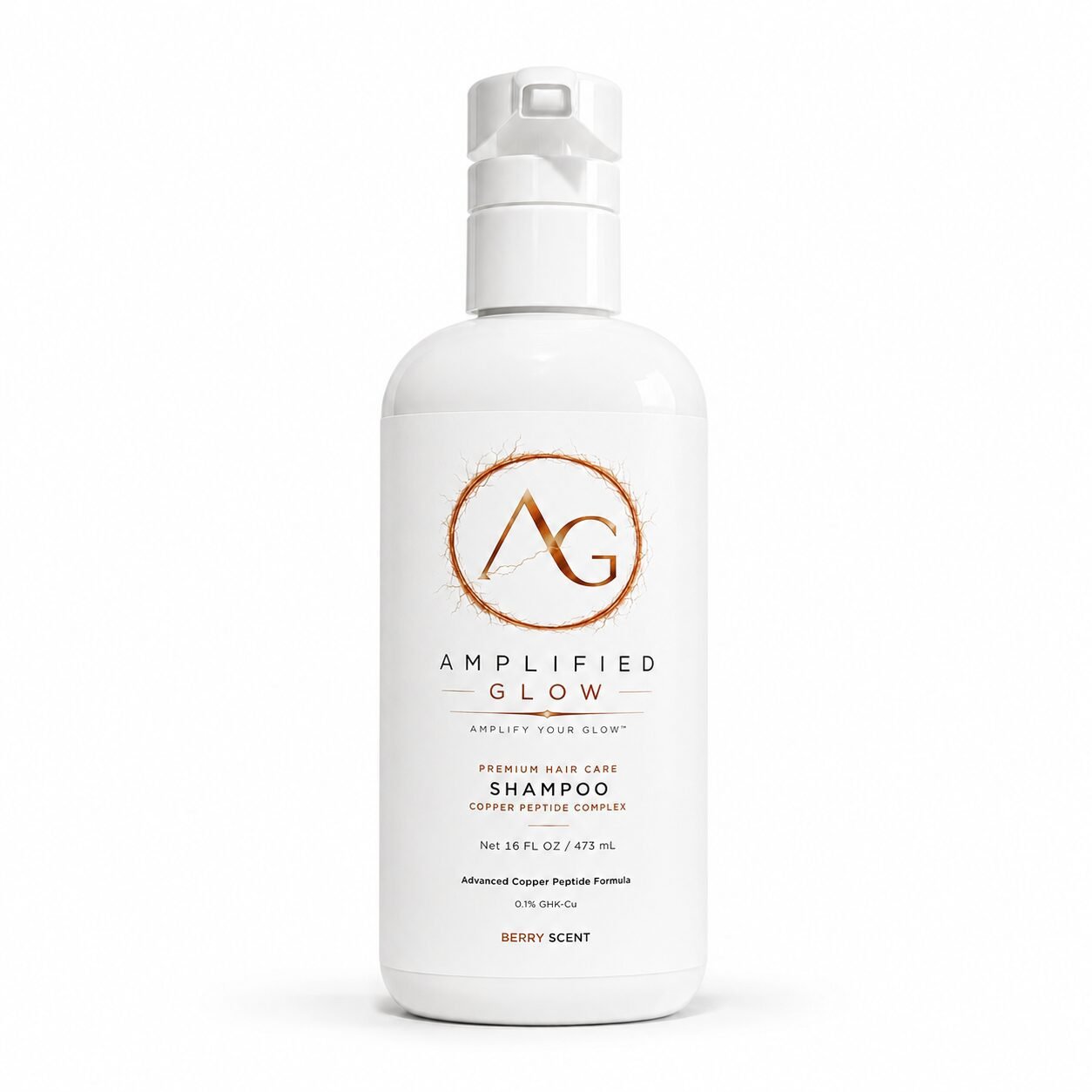
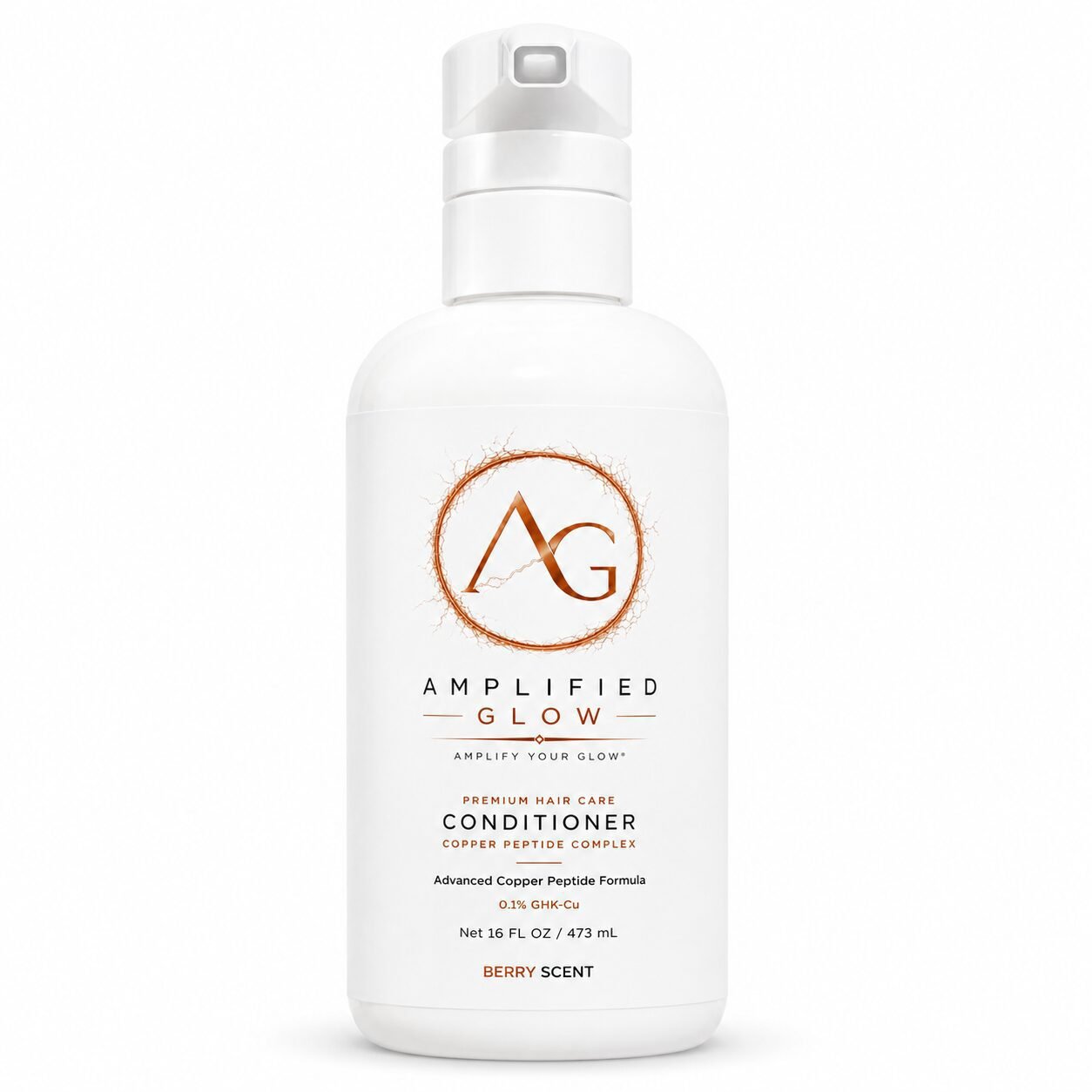
If you'd like to try ours, here are our Berry scented shampoo and conditioner. The shampoo is a rinse-off cleanser for your scalp and hair. The rinse-out conditioner goes on mid-lengths and ends to help with detangling and manageability. Both are scented, so check the full ingredient list first. You can use them as a pair or on their own.
What hair porosity means
Each hair is a fiber with an outer layer of overlapping cells called the cuticle. Porosity is an everyday way of describing how that structure seems to take in and hold on to water. The three labels below are simplified, common groupings, with clues you might notice at home. They describe tendencies, not how healthy your hair is, and none is a better type to have. How conditioner feels also depends on its formula and how much you use, so a coated feel or fast drying is a clue, not proof of your hair's porosity.
Explore the three tendencies
Lower, balanced and higher are simplified tendencies that help you notice how your hair behaves. They aren't health grades, and none is better than another.
Lower porosity
Water may seem slow to soak in, and products can feel like they sit on the surface. Formula, amount and product residue can create a similar feel.
Try a little less conditioner, spread it evenly through your lengths, and notice next wash whether your hair feels lighter or still seems coated.
Balanced (medium) porosity
Often called medium porosity, this is an everyday label, not a lab result or a goal. Hair tends to wet evenly and feel comfortable after conditioning, without seeming coated or quickly rough.
Keep what's working and change one thing at a time. Next wash, compare your ends with the rest of your hair to see whether any area behaves differently.
Higher porosity
Hair may wet quickly and lose smoothness soon after conditioning. Heavy bleaching can change hair structure and how it handles water.
Handle wet hair gently, detangle slowly, and make sure conditioner reaches your mid-lengths and ends. Then note how long smoothness lasts after each wash.
Porosity isn't curl type, thickness, density or scalp oil
Curl pattern describes shape. Strand thickness describes how wide each hair is. Density describes how many hairs you have. Scalp oil comes from your scalp, not your lengths, so an oily scalp and dry-feeling ends can show up together. None of these tells you your porosity on its own, which is why the quiz keeps them separate.
Why no single test settles it
Float tests and drying time are easy to try, but results shift with product residue, water, room conditions and how much hair you test. No single home observation settles your result. Patterns across several washes and different parts of your hair are more useful to compare.
Hair porosity questions
How reliable is this quiz?
It's a structured way to organize what you notice on wash day, not a measurement, and it hasn't been clinically validated. It compares three everyday observations and shows you which answers agreed or conflicted, so you can check them against your own experience.
Does the float test show my hair's porosity?
Not on its own. Whether a strand floats or sinks can depend on oils, product residue and the water itself. It's fine as a curiosity, but no single home observation should decide your result or your routine.
Can drying time tell me my porosity?
Only loosely. Drying time also depends on how much hair you have, strand thickness, length, humidity and how you dry it. That's why this quiz looks at several behaviors instead of one.
What are the signs of low porosity hair?
There's no single sign. People often describe water seeming to soak in slowly and products feeling like they sit on the surface. Those feelings also depend on a product's formula, how much you use and any residue, so treat them as clues to compare over several washes.
Why do different parts of my hair behave differently?
Your ends are the oldest part of your hair and have been through the most washing, brushing and styling. Treated or heat-styled sections can differ too. When your answers don't show a clear pattern, the quiz may show a mixed result, or tell you there isn't enough to go on, instead of averaging them. A mixed result still gives you a practical plan.
Do bleach, color or heat change porosity?
Heavy bleaching can. A small lab study of excessively bleached hair found damaged cuticle layers and pores inside the strand, and other research found bleach damage affects how hair takes up water. These studies looked at bleaching under test conditions, so they don't mean every color service or heat style has the same effect. The quiz treats your history as context, not a verdict.
Is porosity the same as curl type, thickness or density?
No. Curl pattern is about shape, thickness is about how wide each strand is, and density is about how many strands you have. Porosity describes how your hair seems to handle water, and one doesn't tell you the other.
Does an oily scalp mean low porosity?
No. Scalp oil comes from your scalp, while porosity describes your lengths, so an oily scalp and dry-feeling lengths can happen together. Wash based on how oily your scalp gets, focus shampoo on the scalp and put conditioner on your lengths.
Is it better to have high or low porosity hair?
No. Lower, balanced and higher describe tendencies, not grades or goals. What matters is how your hair responds and what it needs, so base your care on that rather than on the label.
Can I improve or change my hair's porosity?
Hair structure can change. For example, small lab studies have found that heavy bleaching changes hair structure and how it handles water. Gentle care has a different aim: hair that feels comfortable and manageable. Handling your hair gently and conditioning your lengths can help with that, but no routine here is shown to permanently repair or change porosity. This quiz also can't tell you whether your porosity has changed for good.
Which products suit my result?
Look at the whole product rather than a porosity label: the full formula, the scent and how it feels on your hair. Shampoo cleanses your scalp, and conditioner goes on your lengths after washing. Follow each label, then adjust the amount and where you apply it. Buying anything is optional, and you don't need a matching pair.
Does my result mean my hair needs protein?
No. The quiz groups what you notice about water and conditioner, and it can't tell whether your hair needs protein. If that matters to you, check full ingredient lists. Our Berry conditioner, for example, contains hydrolyzed keratin, so it isn't protein-free.
What should I do after getting my result?
Try your plan, change one thing per wash and note what you see. Be gentle when detangling and styling. If your observations change, retake the quiz. For itching, burning or flaking that doesn't go away, see a dermatologist.
Keep reading
More wash-day guides from Amplified Glow.